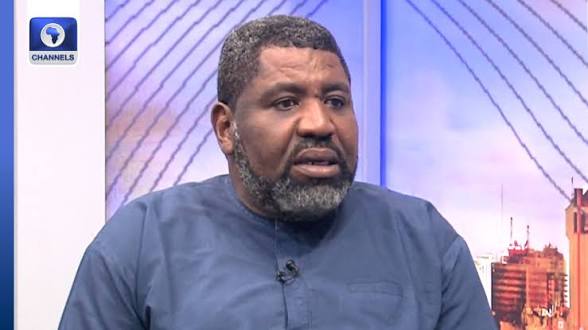
Photo: Disgraced Femi Fani-Kayode
By Daniel Kanu
Germany’s reported rejection of the nomination of arrogant Femi Fani-Kayode as Nigeria’s ambassador is perhaps, more than a routine diplomatic decision—it is a statement. A firm, unmistakable message about standards, accountability, and the kind of individuals deemed fit to represent a nation on the global stage.
According to reports, the German government based its decision on concerns over Fani-Kayode’s history of divisive ethnic and religious rhetoric, as well as what it perceived as erratic conduct.
In essence, Germany concluded that the nominee’s abrasive public record did not align with the diplomatic temperament required to foster stable and respectful international relations.
That a foreign government would subject a Nigerian nominee to such rigorous scrutiny should provoke serious reflection back home.
It raises a troubling question: why do our own institutions often fail to apply the same level of diligence before presenting candidates for sensitive national assignments?
Diplomatic postings are not supposed to be rewards for loyalty, nor are they tools for political appeasement. They are positions of trust.
Ambassadors are the face of a nation abroad; they embody its values, its discipline, and its credibility.
When individuals with controversial, contradictory public records are nominated, it sends a worrisome signal—both to citizens and the international community—that merit and integrity may be secondary considerations.
Germany’s decision, therefore, should serve as a warning to political actors who believe public office is insulated from accountability.
It demonstrates that while local systems may overlook misconduct, the global stage is far less forgiving. Reckless speech, divisive rhetoric, barbaric comments and questionable behaviour do not simply disappear—they travel, they linger, and they are judged.
This is not just about one individual. It is about a pattern that has, over time, eroded public confidence in governance.
When people who have made careers out of inflammatory statements or controversial conduct are elevated rather than scrutinised, it deepens cynicism and undermines the moral authority of leadership.
Take, for instance, figures like the serial lier Reno Omokri, whose public interventions have always sparked outrage and division.
If such individuals are considered for sensitive roles like ambassadorial positions, there must be a robust, transparent vetting process that prioritises national interest over political convenience. Anything less is a disservice to the Nigerian people.
Other countries must take a cue from Germany’s principled stance. Diplomacy is too important to be trivialised.
Nations must insist that those who represent them possess not just the intellectual capacity, but also the temperament, restraint, and respect for diversity that the role demands.
For Nigeria, the lesson is even more urgent. Our political class must understand that leadership is not merely about power—it is about responsibility.
The era where public figures could act with impunity, make reckless statements, and still be rewarded with prestigious appointments must come to an end.
Ultimately, Germany has done what our institutions should have done first: ask hard questions and demand higher standards.
Until Nigeria begins to do the same, it risks continued embarrassment on the international stage—and, more importantly, a further erosion of trust at home.
It’s sad that some of the recent Nigeria’s ambassadorial nominees under President Bola Tinubu’s leadership are jokers, a disgrace at international stage.
The message is clear: Public conduct, accountability is no longer optional. It is inevitable.